After many years working away from home, Ajay Yadav wanted to earn a living in Khoto with his family nearby. His experience preparing food, combined with community-backed start-up support, helped him open a stall beside his home.
Returning after years of migration
Ajay's household included his wife, two children and parents. The family had depended on mica collection and agriculture, but a loss of mica-related income pushed him to look for work in Hyderabad.
He worked there for more than 15 years. Living expenses used much of his income, while being away from his family made it difficult to take part in their everyday lives and support his children's education as he wished.
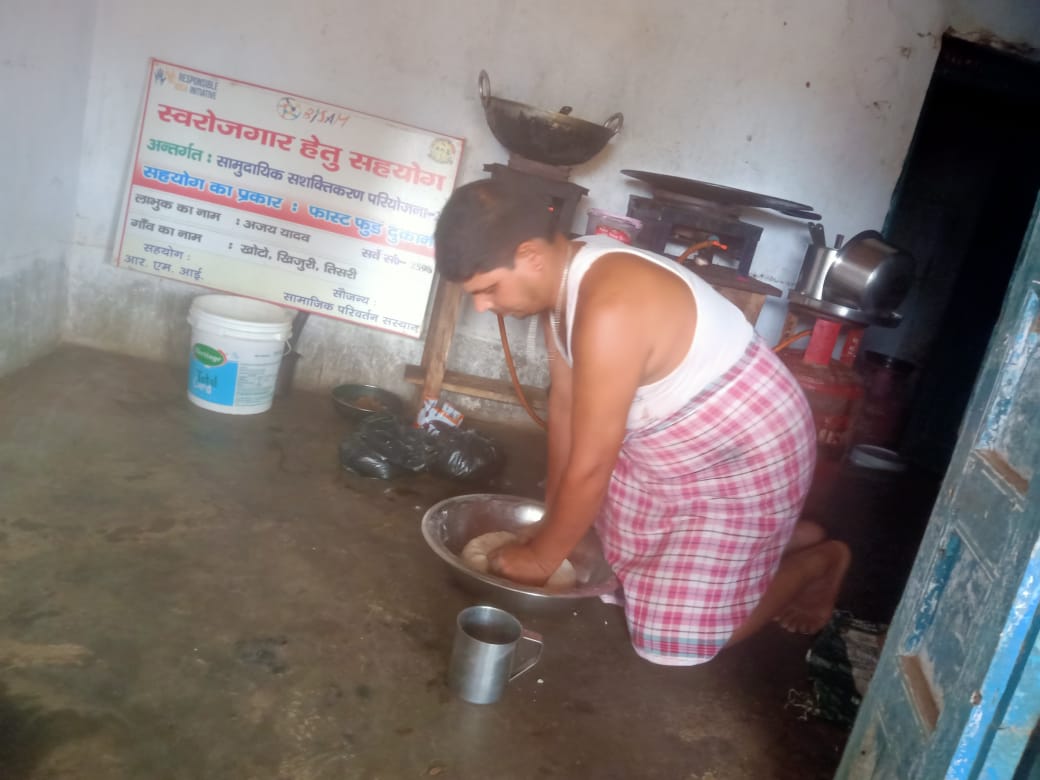
Illness and the arrival of COVID-19 added to those pressures. Ajay returned to Khoto and, after recovering, began planning a small food business. He had learnt to prepare a variety of snacks while working in Hyderabad, but a period without earnings left him short of start-up funds.
Community-backed start-up support
During work under the Community Empowerment Project, an SPS team member met Ajay and encouraged him to present his proposal at a Village Development Committee meeting.
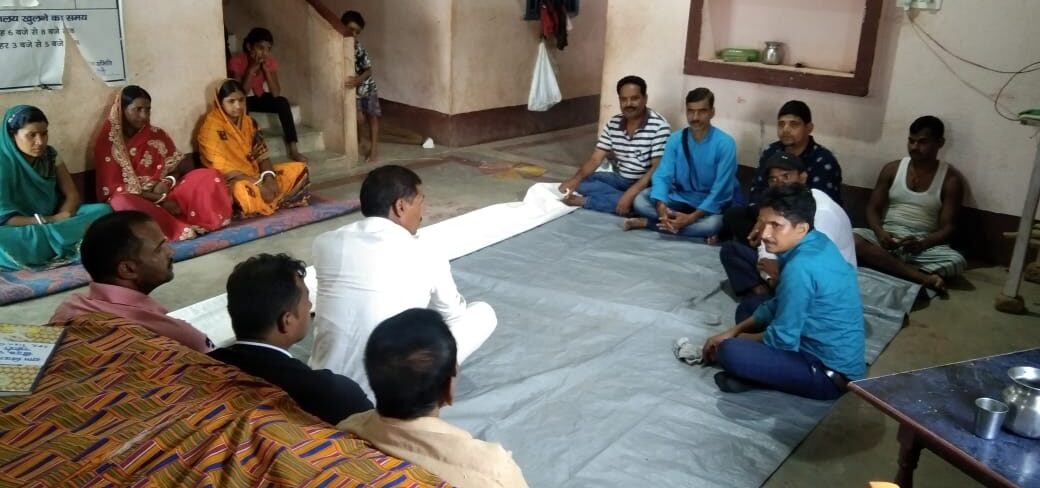
Committee members discussed the idea and supported his selection for assistance. SPS assessed his requirements, prepared a list of materials and procured them through the organisation's procedures.
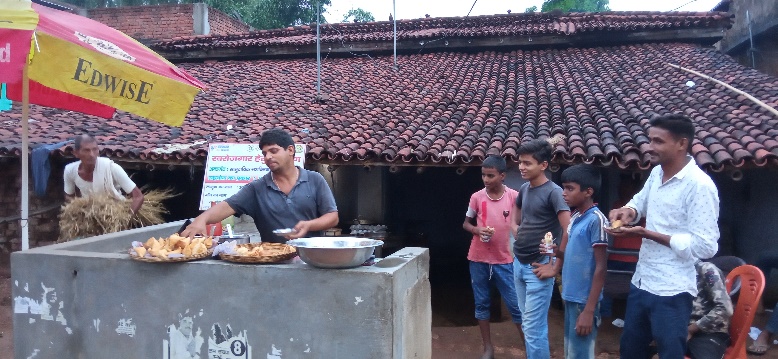
Ajay opened the stall in front of his home near the main road. He sold samosas, chowmein, chhola and bonda, drawing on the cooking skills he had developed. His family helped with the work, and customers from neighbouring villages also began placing orders.
Earning while staying together
At follow-up, the case study recorded earnings of around ₹400 a day and a reported increase of more than 50 per cent in household income compared with the earlier situation.
The family could live and work together, and Ajay reported renewed stability in his children's education. He expressed appreciation for the team's guidance and practical support.
His experience shows how an existing skill and a locally assessed business idea can create an alternative to migration when the right start-up resources are available.